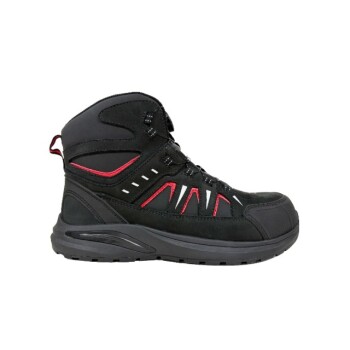
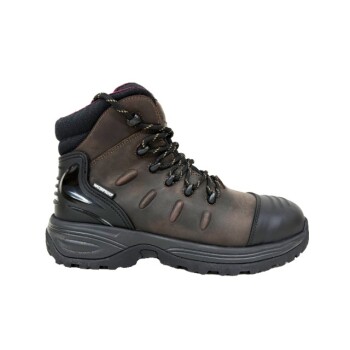
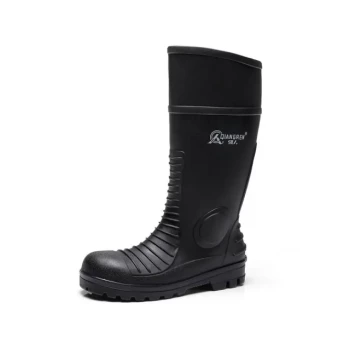
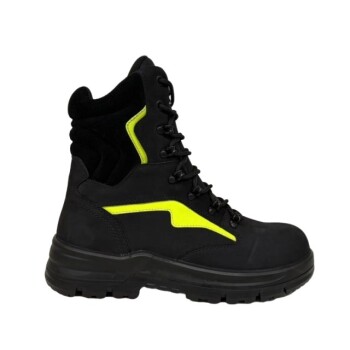
Gli stivali protettivi di grado industriale fungono da stabilizzatori critici durante le transizioni della forza lavoro. Stabilendo un confine di sicurezza standardizzato, questa attrezzatura compensa direttamente il divario di esperienza intrinseco nei dipendenti nuovi o in transizione. Garantiscono che la sicurezza personale non dipenda esclusivamente dalla percezione del rischio in via di sviluppo di un nuovo arrivato, consentendo al processo di produzione di rimanere sicuro nonostante la variabile dell'inesperienza umana.
Mentre la formazione costruisce competenza nel tempo, gli stivali protettivi forniscono un'infrastruttura immediata per la sicurezza. Compensano la minore consapevolezza del rischio e il maggiore sforzo fisico nei nuovi dipendenti, mantenendo livelli di sicurezza sul lavoro coerenti in tutto il processo di produzione.
Colmare il divario di esperienza
Compensare la percezione del rischio
I nuovi dipendenti spesso mancano dell'intuizione per individuare i pericoli che deriva dall'anzianità. Gli stivali di grado industriale fungono da rete di sicurezza passiva, offrendo protezione che non dipende dal giudizio attivo del lavoratore.
Ciò consente al dipendente di svolgere ruoli tecnici complessi in sicurezza. La robusta struttura dello stivale interviene dove la valutazione del rischio del dipendente potrebbe fallire.
Creare un confine di sicurezza standardizzato
In un ambiente ad alto rischio, la coerenza è vitale. Gli stivali protettivi stabiliscono un livello di protezione di base uniforme per tutti i lavoratori, indipendentemente dal loro background.
Questa standardizzazione garantisce che il "pavimento di sicurezza" dell'operazione non scenda quando nuovo personale entra nella rotazione. Rimuove la variabile dell'abilità individuale dall'equazione per quanto riguarda la protezione dei piedi.
Gestire l'adattamento fisico
Affrontare le richieste fisiche
La transizione verso un nuovo ruolo operativo spesso impone richieste fisiche maggiori a un lavoratore rispetto a quelle a cui è abituato.
La robusta struttura protettiva degli stivali industriali supporta il piede e la caviglia contro questi nuovi stress. Questa attrezzatura compensa il condizionamento fisico che un nuovo dipendente potrebbe non possedere ancora.
Comprendere i compromessi
Attrezzatura vs. Competenza
Mentre gli stivali compensano efficacemente la mancanza di esperienza, sono un controllo fisico, non cognitivo.
La dipendenza dai DPI per gestire il rischio è necessaria durante le transizioni, ma non sostituisce la necessità di sviluppare effettive competenze tecniche. Gli stivali proteggono il corpo del lavoratore, ma non accelerano la curva di apprendimento del ruolo stesso.
L'ambito della protezione
Il "confine di sicurezza" fornito dagli stivali è localizzato. Protegge da specifici pericoli fisici ma non può mitigare rischi operativi più ampi associati all'inesperienza.
I manager devono riconoscere che, sebbene gli stivali mantengano un livello di sicurezza coerente per l'individuo, non mitigano il potenziale di errori operativi altrove nel processo.
Fare la scelta giusta per il tuo obiettivo
Per utilizzare efficacemente le attrezzature protettive durante le transizioni della forza lavoro, considera il tuo obiettivo primario:
- Se il tuo obiettivo principale è la coerenza operativa: Richiedi calzature di alta qualità per garantire che il livello di sicurezza generale del processo di produzione rimanga stabile indipendentemente dal turnover del personale.
- Se il tuo obiettivo principale è l'inserimento dei dipendenti: Utilizza la robusta struttura degli stivali per supportare fisicamente i lavoratori mentre si adattano alle maggiori esigenze fisiche dei loro nuovi ruoli.
Considerando gli stivali protettivi come uno strumento di standardizzazione, trasformi una forza lavoro variabile in un'unità operativa coerente.
Tabella riassuntiva:
| Caratteristica | Beneficio per i nuovi dipendenti | Impatto operativo |
|---|---|---|
| Rete di sicurezza passiva | Compensa la minore capacità di riconoscimento dei pericoli | Riduce i tassi di infortunio durante l'inserimento |
| Supporto per caviglia e arco plantare | Assiste nell'adattamento fisico a nuovi compiti | Minimizza gli errori legati alla fatica |
| Confine standardizzato | Garantisce sicurezza uniforme indipendentemente dall'esperienza | Mantiene un ambiente di produzione coerente |
| Struttura robusta | Protegge da impatti fisici e stress | Fornisce un'infrastruttura immediata per la sicurezza |
Proteggi la tua forza lavoro con le soluzioni protettive 3515
In qualità di produttore su larga scala al servizio di distributori globali e proprietari di marchi, 3515 offre capacità di produzione complete per stabilizzare le tue operazioni. La nostra serie di punta Scarpe di sicurezza fornisce il confine di sicurezza standardizzato necessario per la transizione dei dipendenti, garantendo che la tua produzione rimanga sicura nonostante le variabili della forza lavoro.
Dagli stivali da lavoro e tattici di grado industriale alle sneaker e alle calzature formali, il nostro ampio portafoglio è progettato per soddisfare diverse esigenze di acquisto in blocco con una qualità senza compromessi. Contattaci oggi per scoprire come la nostra esperienza nelle calzature può migliorare gli standard di sicurezza del tuo marchio e supportare la crescita della tua attività.
Riferimenti
- Caterina Alacevich, Catia Nicodemo. The Effect of Immigration on Occupational Injuries: Evidence from Administrative Data*. DOI: 10.1111/obes.12572
Questo articolo si basa anche su informazioni tecniche da 3515 Base di Conoscenza .
Prodotti correlati
- Stivali di Sicurezza Impermeabili Premium all'Ingrosso Alta Protezione per i Mercati Industriali
- all'ingrosso Stivali di sicurezza personalizzabili Produzione di calzature durevoli e protettive
- Stivali di sicurezza anti-schiacciamento personalizzabili per la produzione all'ingrosso e in private label
- Stivali di sicurezza industriali impermeabili premium a taglio alto per ordini all'ingrosso e di massa
- Stivali di sicurezza in nabuk per carichi pesanti Scarpe di sicurezza per la distribuzione globale
Domande frequenti
- Quali protezioni meteorologiche e chimiche offrono gli stivali premium? La tua guida completa alla sicurezza e alle prestazioni
- Perché gli scarponi di sicurezza impermeabili sono raccomandati per determinati ambienti di lavoro? Protezione essenziale per lavori bagnati e pericolosi
- Quali sono le principali funzioni protettive degli scarponi di sicurezza industriali nelle piantagioni di palma da olio? Padroneggia la sicurezza su terreni accidentati
- Perché le proprietà di resistenza all'olio e antiscivolo sono fondamentali per gli scarponi di sicurezza industriali? Guida esperta all'ingegneria delle suole
- Quali sono i migliori tipi di scarpe per le diverse condizioni di giardinaggio? Trova la tua soluzione perfetta.